Project news and articles

Follow the latest updates about the project. Read articles about parasitic infections.

Filter articles per audience category

From individual diagnosis to population-level surveillance: where are the gaps?

From individual diagnosis to population-level surveillance: where are the gaps?

Healthcare authorities, Ministries of Health

How ministries and public health agencies can use diagnostic data to target treatment, investigate persistent transmission and decide when an intervention can change.


How are parasitic worm infections diagnosed today?

How are parasitic worm infections diagnosed today?

Citizens, patients

A guide to the tests you might be offered, how to collect a sample and what your results can tell you.

From symptoms to diagnosis of parasitic infections: the limitations of current diagnostic pathways

From symptoms to diagnosis of parasitic infections: the limitations of current diagnostic pathways

Healthcare workers (doctors, nurses, pharmacists, etc.)

A practical guide for clinicians, nurses, pharmacists and laboratory teams working across primary care and referral services.

What makes a diagnostic technology suitable for rural healthcare facilities?

What makes a diagnostic technology suitable for rural healthcare facilities?

Healthcare managers

A practical guide for managers of hospitals, clinics and dispensaries choosing what to test on site, what to refer and how to keep both services working.

Why existing diagnostic solutions do not always fit African healthcare settings

Why existing diagnostic solutions do not always fit African healthcare settings

Diagnostic businesses

What diagnostic manufacturers and distributors can learn from the places where tests are bought, used and maintained.

The hidden data gap behind parasitic disease control

The hidden data gap behind parasitic disease control

Healthcare authorities, Ministries of Health

For health authorities, closing the gap means connecting diagnostic capacity, representative surveillance and population care—not simply collecting more records.

Why can parasitic infections go undiagnosed?

Why can parasitic infections go undiagnosed?

Citizens, patients

Sometimes an infection causes few symptoms. Sometimes the right test has not yet been done. Understanding the reasons can help patients get appropriate care—without assuming that every unexplained symptom is caused by a parasite.

Why diagnosing helminth infections can be difficult in frontline healthcare

Why diagnosing helminth infections can be difficult in frontline healthcare

Healthcare workers (doctors, nurses, pharmacists, etc.)

A practical guide for doctors, nurses, pharmacists and other frontline professionals: recognising risk, choosing the right investigation and responding safely when the answer remains uncertain.

The operational challenges of diagnosing parasitic infections in resource-constrained settings

The operational challenges of diagnosing parasitic infections in resource-constrained settings

Healthcare managers

A practical perspective for hospital directors, clinic managers and laboratory leaders: how to organise reliable diagnostic services when staff, supplies, infrastructure and budgets are limited.

Why accessible diagnostics remain a challenge in African healthcare markets

Why accessible diagnostics remain a challenge in African healthcare markets

Diagnostic businesses

For diagnostic device manufacturers, especially those based in Africa, expanding access requires more than an affordable assay. It requires products, financing and delivery systems that work together.

The diagnostic challenge of helminth infections in sub-Saharan Africa

The diagnostic challenge of helminth infections in sub-Saharan Africa

Diagnostic businesses

An unmet need for the diagnostics industry—and a case for designing with African manufacturing and distribution in mind.

Helminth infections: an overlooked challenge for healthcare facilities

Helminth infections: an overlooked challenge for healthcare facilities

Healthcare managers

Why stronger diagnostic capacity belongs on the management agenda of hospitals, clinics and dispensaries.

Recognising helminth infections: why diagnosis matters

Recognising helminth infections: why diagnosis matters

Healthcare workers (doctors, nurses, pharmacists, etc.)

Practical clinical considerations for healthcare professionals, with a focus on soil-transmitted helminths and schistosomiasis in sub-Saharan Africa.

What are parasitic worm infections and who can be affected?

What are parasitic worm infections and who can be affected?

Citizens, patients

A simple guide for patients, families and communities.

Helminth infections in sub-Saharan Africa: why surveillance matters

Helminth infections in sub-Saharan Africa: why surveillance matters

Healthcare authorities, Ministries of Health

Connecting diagnostic evidence, public-health data and decisions that protect underserved communities.

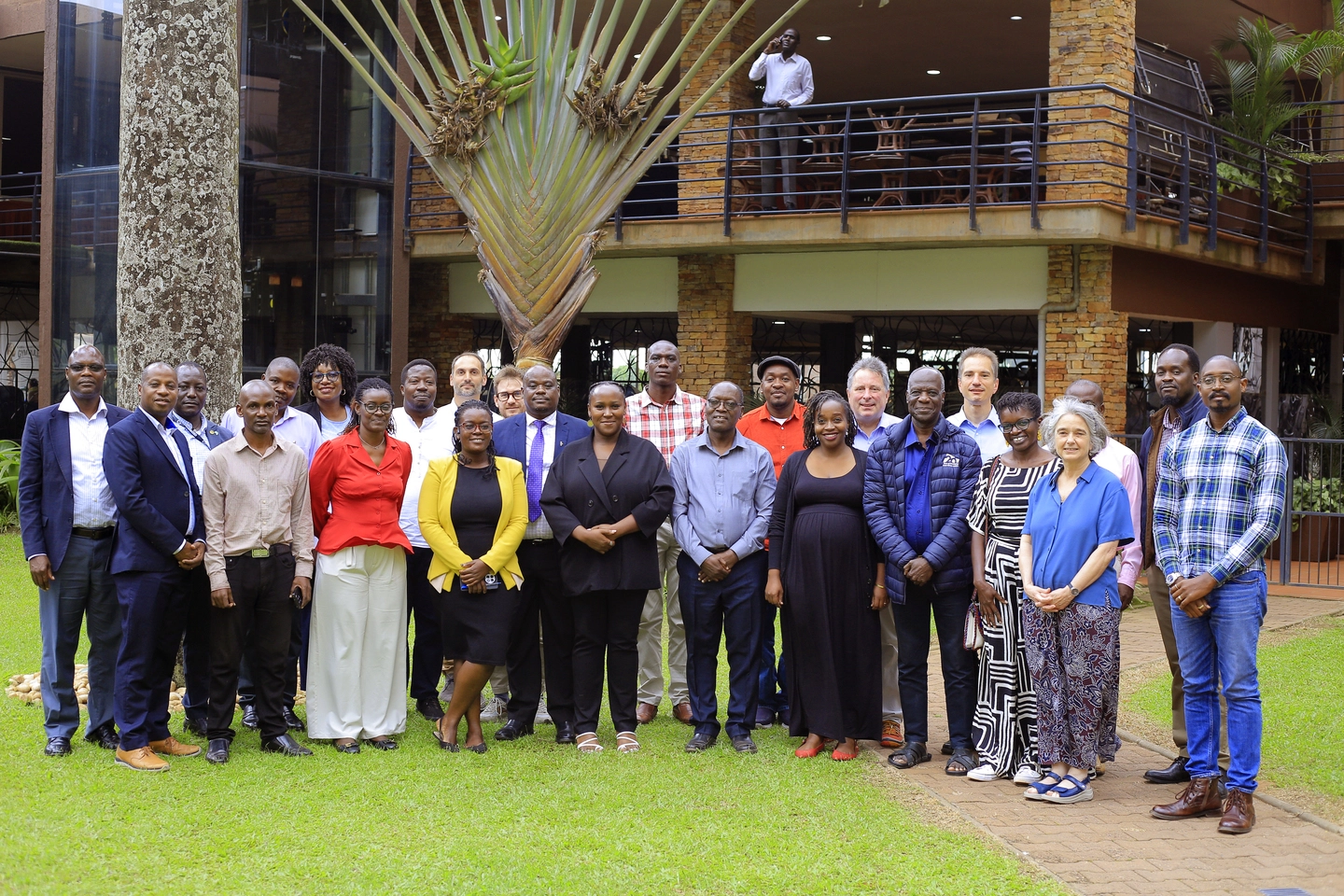
The consortium met for the first time during the DIDIDI kick-off meeting

The consortium met for the first time during the DIDIDI kick-off meeting

Project news

The DIDIDI consortium met in Kampala, Uganda, for the project's kick-off meeting on 18 May 2026.

Dididi project officially launched

Dididi project officially launched

Project news

The DIDIDI project has officially begun, marking the start of an ambitious collaboration to address the growing impact of climate change on water-related diseases.